Pegma Resources · Recycling Division
RECLAIM. REPROCESS. RENEW.
NSS — Noble Sustainability Solutions — is Pegma Resources' dedicated polypropylene recycling division. We convert post-consumer and post-industrial PP waste into high-grade granules that feed straight back into tape-line extrusion, closing the loop on the very material Pegma's own FIBC bags are made from.
About NSS
Pegma's circularity engine for polypropylene
Pegma Resources is a vertically integrated manufacturer of FIBC bulk bags and flexible bulk packaging — from PP tape to finished bag, all in-house. NSS is the division that closes that loop: collecting plant waste and post-consumer polypropylene, and processing it into recycled granules fit for the same demanding tape-line extrusion that Pegma's production runs on.
Built for extrusion, not just downcycling
Recycled polypropylene is often only good enough for low-grade moulded parts. NSS's process — segregation, washing, and precision additive dosing at the regranulation stage — targets a higher bar: granules consistent enough to run on tape-line extrusion for woven fabric and bags.
Part of Pegma's sustainability commitments
NSS is the operational backbone behind Pegma's EPR compliance and its 'Zero Effect' commitment under ZED certification — turning a regulatory obligation into a genuine, revenue-generating circular material stream.
Capabilities
What NSS runs, day to day
Four capabilities that define what NSS can process, produce, and sustain — from raw waste intake to the energy and water that keep the plant running.
High-Grade Polypropylene Recycling
300 MT of dedicated recycling capacity, converting industrial and post-consumer PP waste into consistently high-grade recycled material.
Post-Consumer PP, Beneficiated for Extrusion
Post-consumer polypropylene is recycled with high-grade beneficiation — precision additive dosing restores the properties needed to manufacture granules fit for tape-line extrusion.
Rooftop Solar Power
145 kWp of rooftop solar generation, reducing the carbon footprint of every kilogram of granule NSS produces.
Effluent Treatment Plant
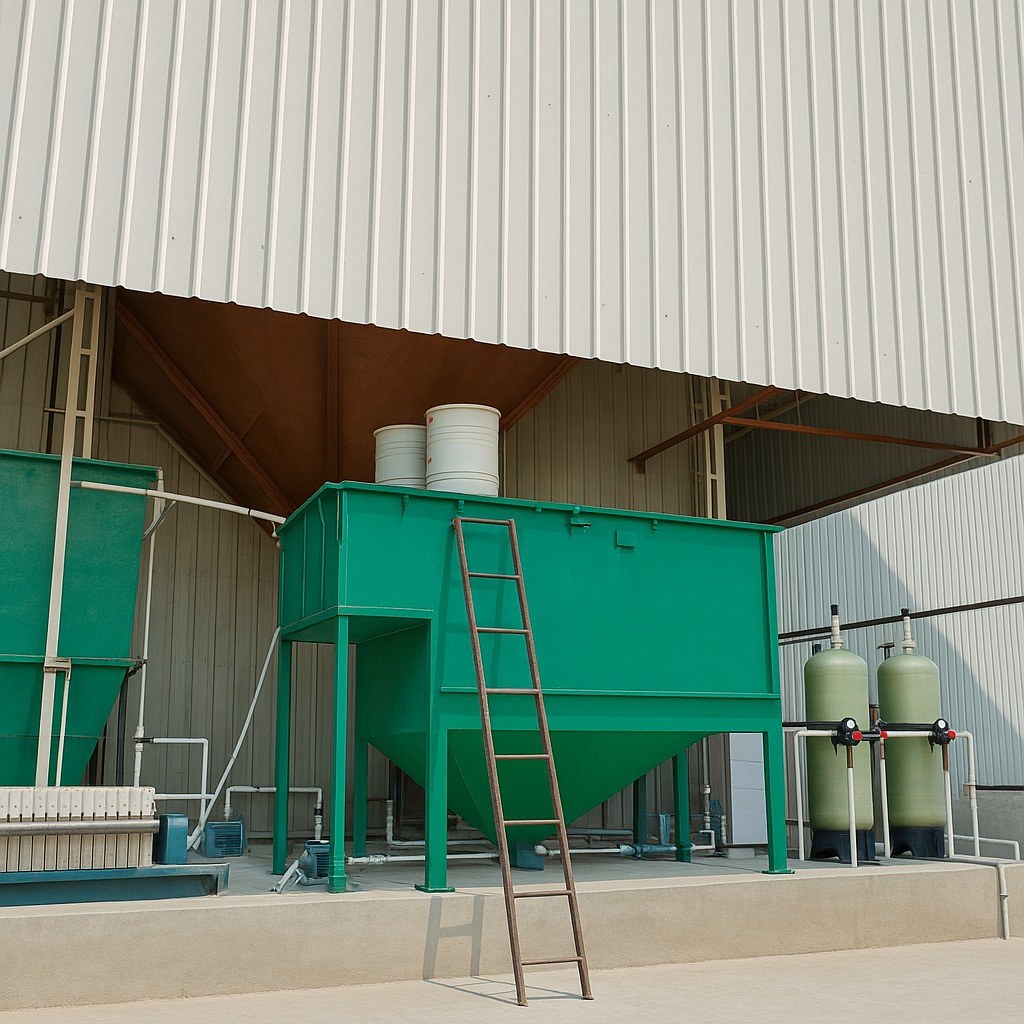
An in-house ETP recycles and reuses the wastewater generated during plastic washing, keeping process water circulating instead of being discharged.
Our Process
From waste stream to extrusion-ready granule
Every batch moves through the same disciplined sequence — whether it starts as plant-waste PP offcuts or post-consumer woven bags.
-
1
Purchase
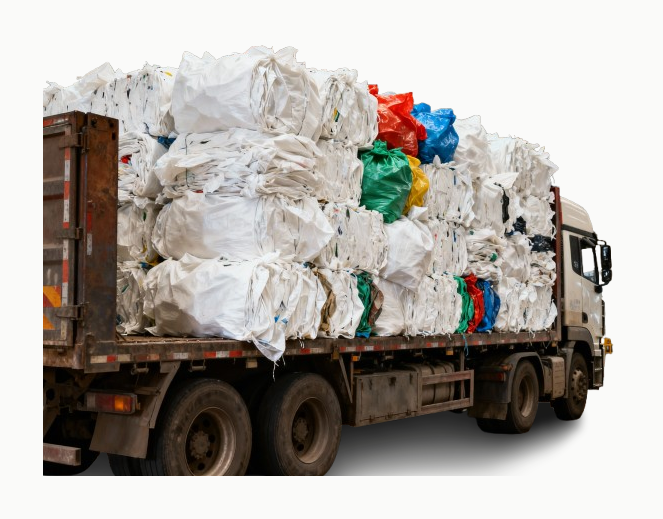
PP waste and used woven bags are sourced from registered, compliant waste-generating companies.
-
2
Storage
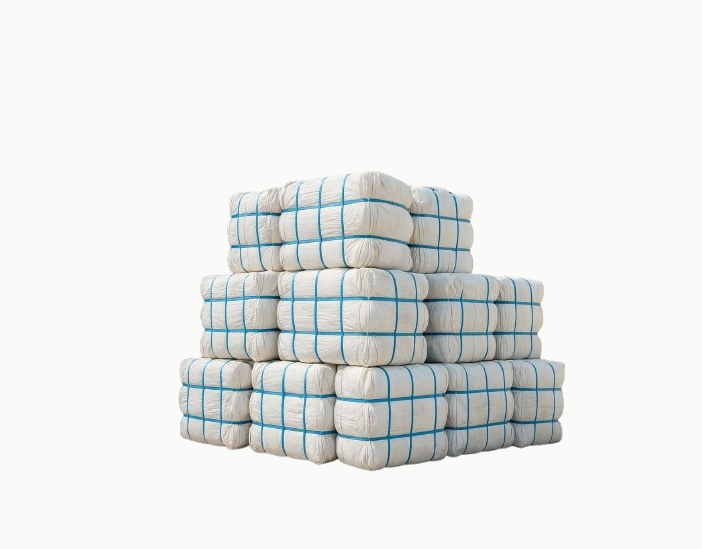
Proper wastage storage protects material quality before it enters the line.
-
3
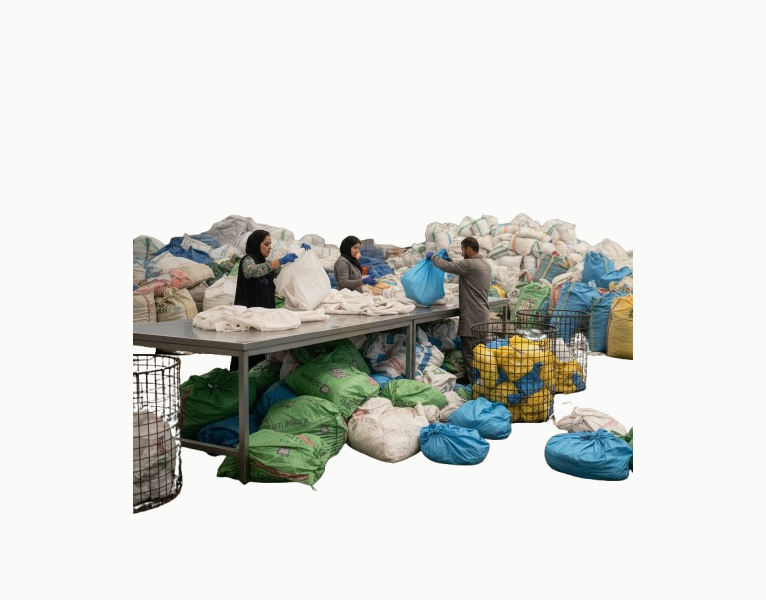
Segregation
Waste is sorted by colour and type to keep output quality uniform.
-
4
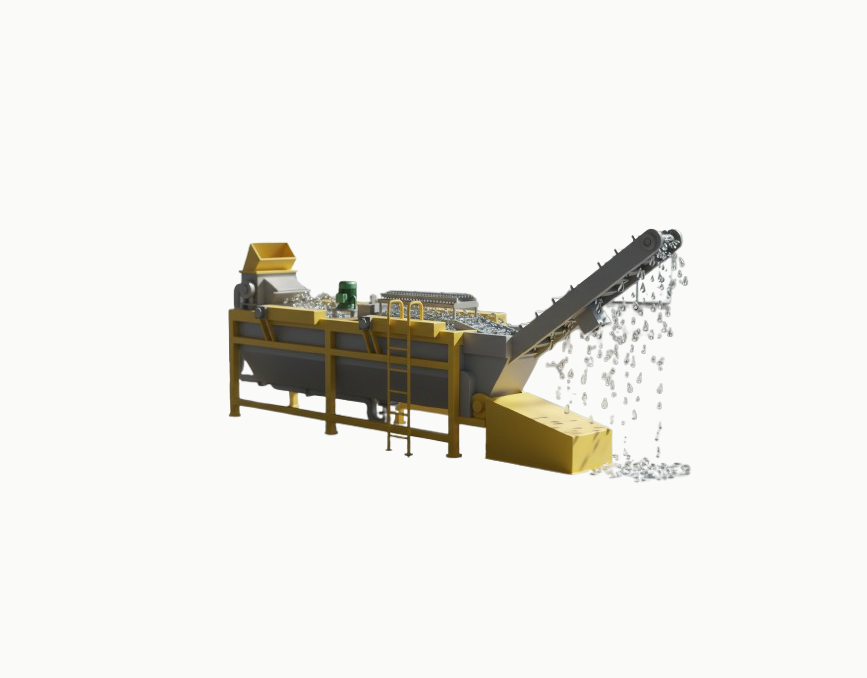
Washing
Waste is cleaned in the washing line. For used bags and liners, denser polyester/PET settles out and separates automatically during this stage.
-
5
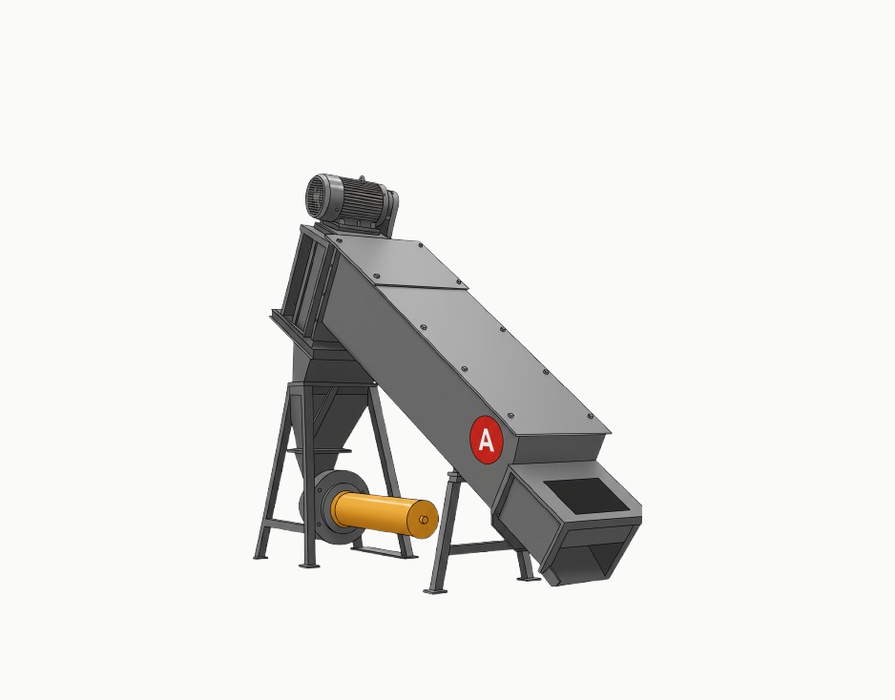
Shredding
Washed material is shredded into small, uniform pieces.
-
6
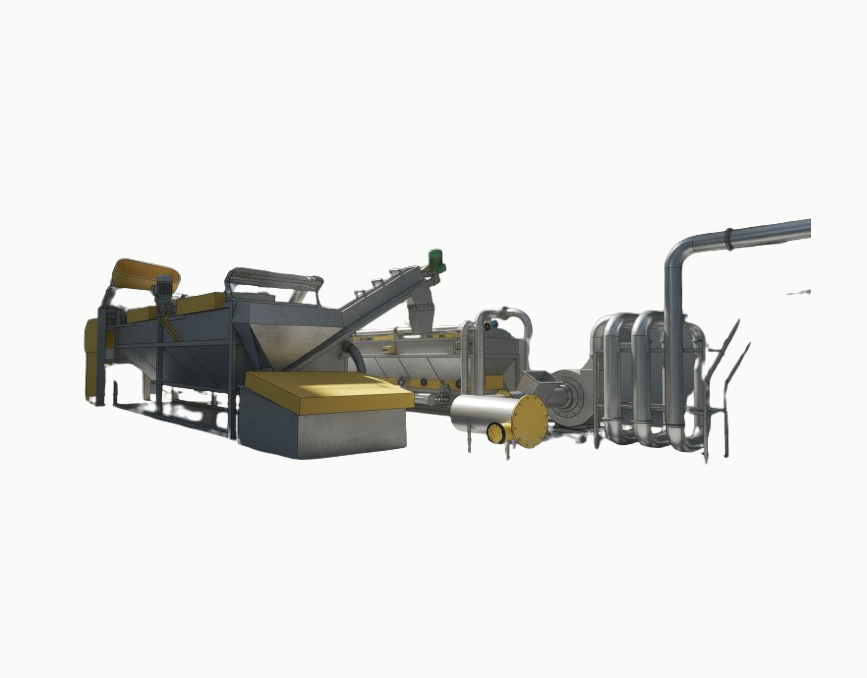
Drying
Moisture is removed from the shredded flake before regranulation.
-
7
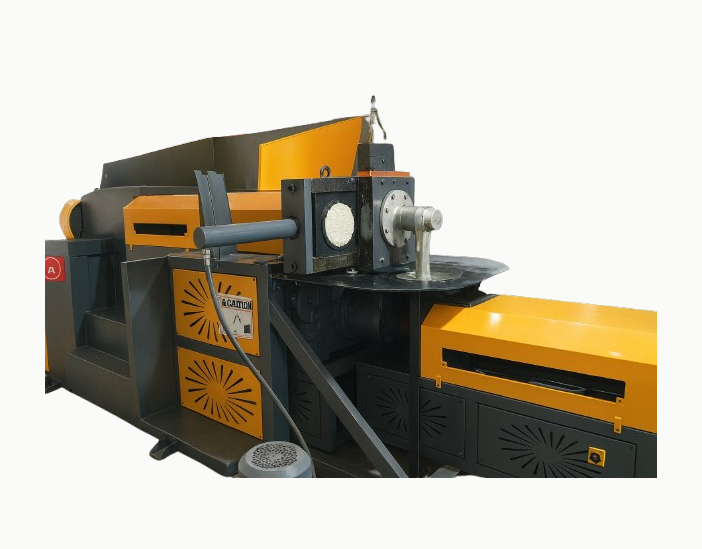
Regranulation
Shredded flake is melted, precision-dosed with additives, and formed into RP granules on the extrusion line.
-
8
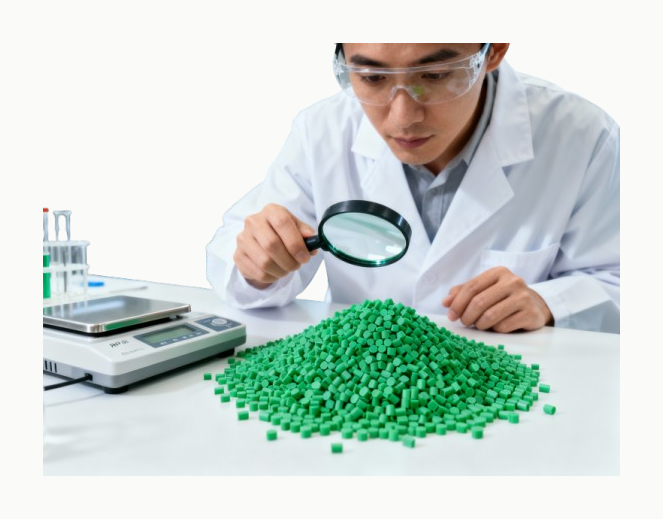
Quality Check
Every batch of RP granules is inspected against quality standards before release.
-
9
Pack & Dispatch
Approved granules are packed in 25 kg bags and prepared for sale.
Every drop, recirculated. Washing generates process water — NSS's on-site Effluent Treatment Plant treats and recirculates it back into the wash line, so fresh-water draw for plastic washing keeps shrinking rather than growing.
Product Range
Recycled polypropylene granules, engineered for reuse
Five grades, each matched to the waste stream it comes from and the process it's built to run on.
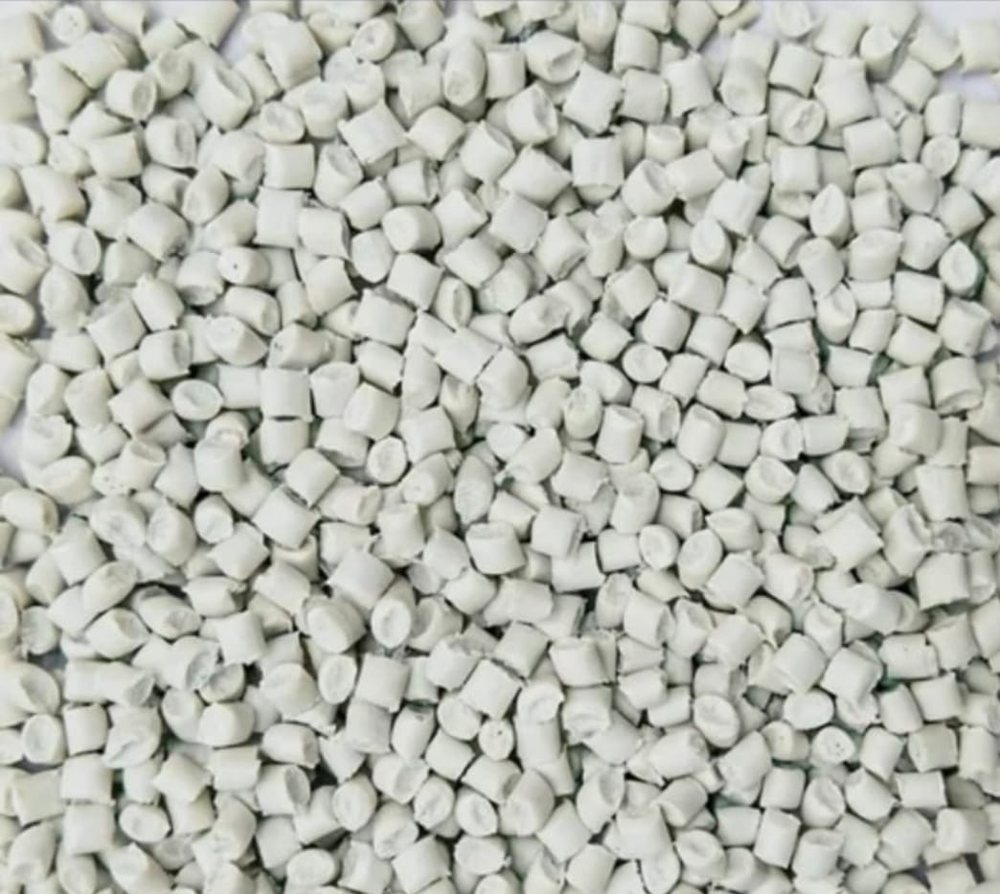
Post-Consumer Recycled PP Raffia Granules — Extrusion Grade
Reclaimed from post-consumer PP waste and beneficiated to extrusion-ready quality, for tape-line extrusion into woven fabric and bags.
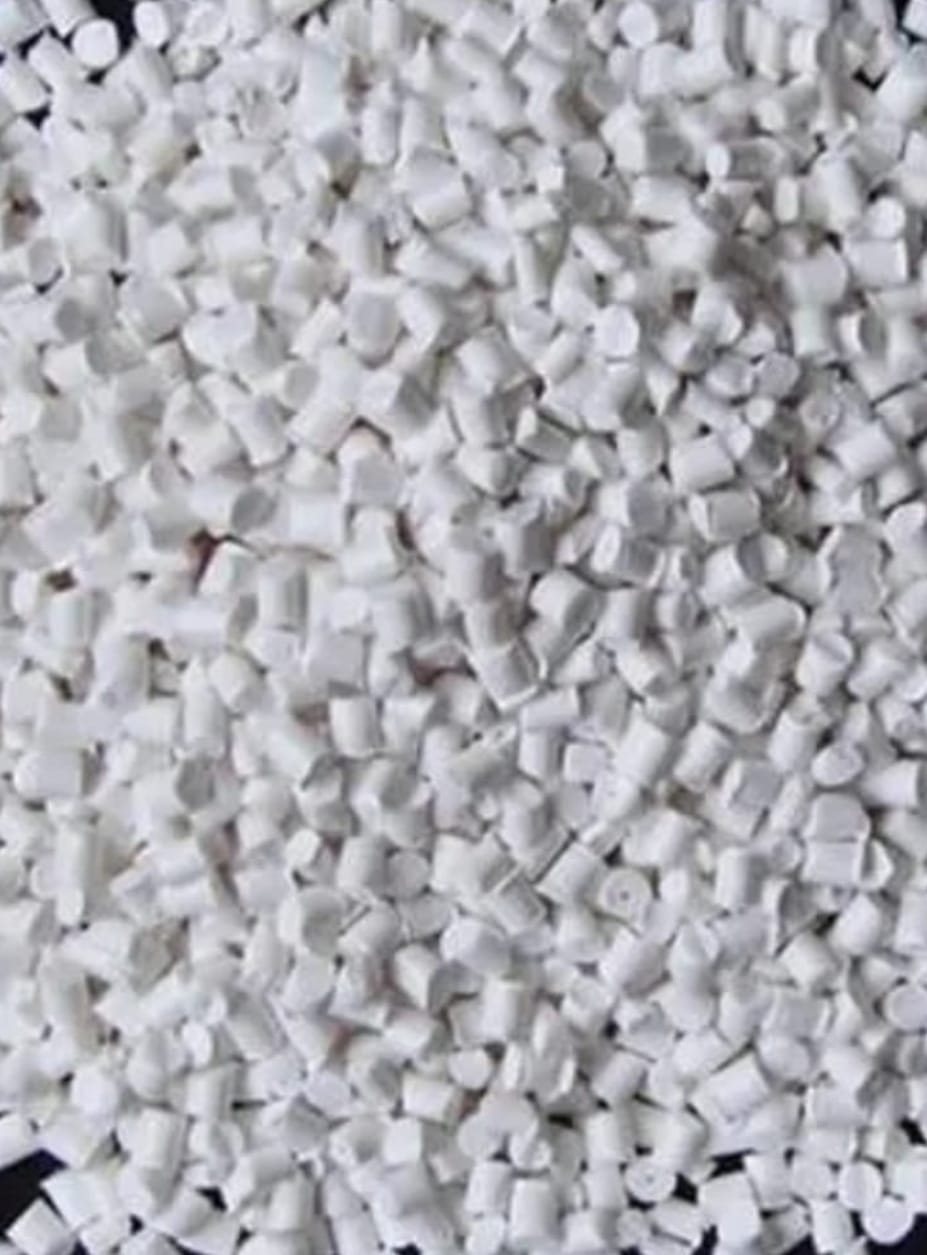
Plant Waste White PP Raffia Granules — Extrusion Grade
Made from clean, white plant-waste PP offcuts — a lighter, more consistent base for tape and fabric where colour uniformity matters.
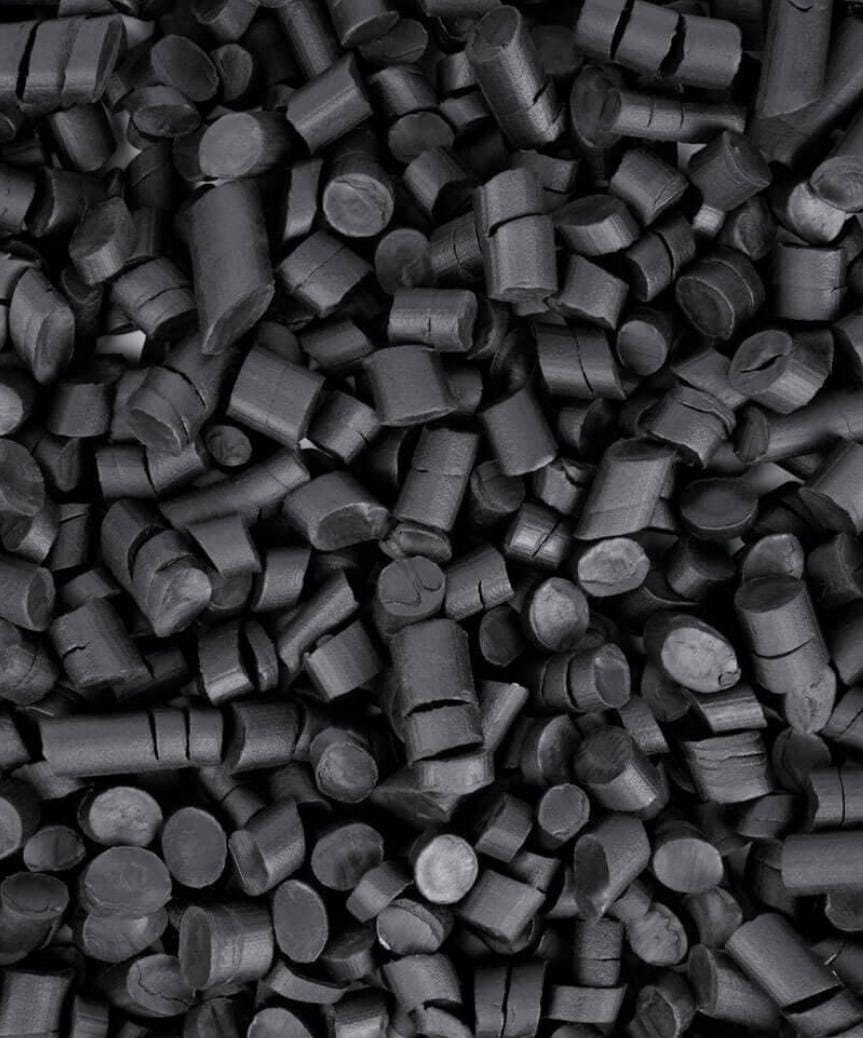
Plant Waste Black PP Raffia Granules — Extrusion Grade
Processed from black plant-waste PP trims for tape-line extrusion — a dependable, cost-effective input for darker woven products.
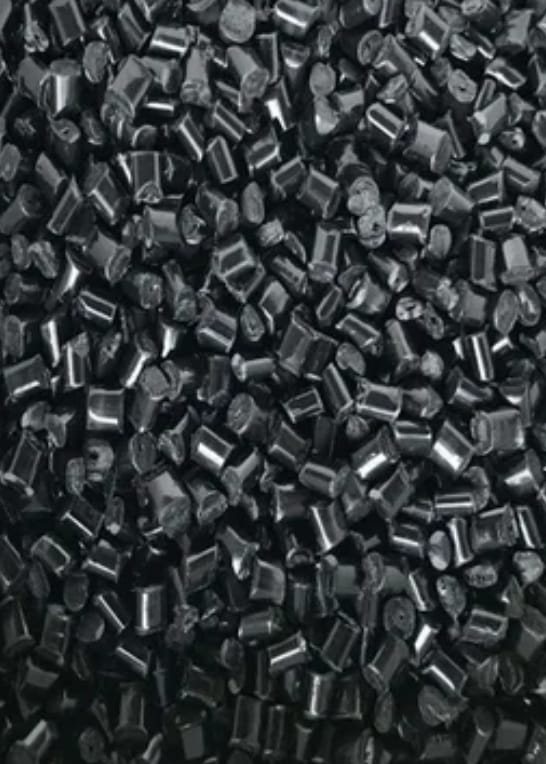
Black Reprocessed PP Granules — Injection Moulding Grade
Reprocessed specifically for injection moulding applications, where black PP components don't call for virgin-grade colour clarity.
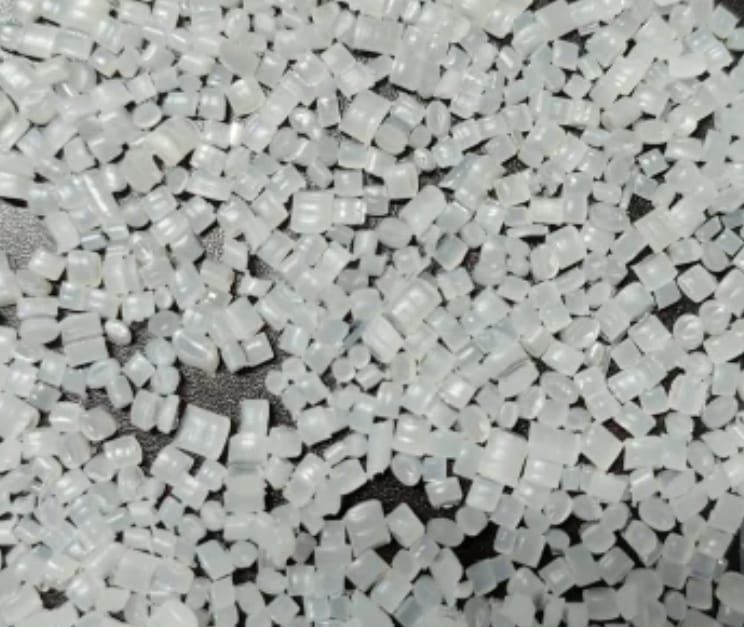
Liner Scrap Reprocessed Granules
Recovered from liner scrap and reprocessed into granules suited to shrink film, liner blowing and general packaging film extrusion.
Why It Matters
Polypropylene recycling — and why it counts
For the FIBC & woven sack industry
FIBC and woven-sack manufacturing runs almost entirely on virgin polypropylene tape. Recycled PP that's good enough to re-enter tape-line extrusion — not just get downcycled into low-grade moulded parts — cuts a manufacturer's dependence on virgin polymer, lowers the carbon footprint of every bag produced, and gives brand owners buying those bags a credible way to meet their own packaging-circularity and EPR commitments. That's precisely the gap NSS's beneficiation and additive-dosing process is built to close.
Plastics recycling, broadly
Polypropylene is one of the most mechanically recyclable commodity plastics, yet a large share of it still ends up in landfill or leaks into the environment rather than being reprocessed. Mechanical recycling uses meaningfully less energy than producing virgin polymer from fresh feedstock, keeps waste out of land and waterways, and supports the regulatory push — including India's Extended Producer Responsibility framework — toward a genuinely circular plastics economy. Every tonne NSS processes is a tonne that doesn't need fresh polymer, and doesn't end up as waste.
Get In Touch
Talk to our recycling team
Whether you're sourcing high-grade recycled PP granules or looking to supply plant or post-consumer waste, our team is ready to help.
Mon–Sat, during business hours
For enquiries on granules or waste supply
Fastest way to reach the team directly
Send us a message
Fill this in and our team will get back to you within one working day.